
Agriculture Marketplace India: The Future of Farm Trade with Krushi Samruddhi
India is one of the largest agricultural producers in the world, supporting millions of farmers and contributing significantly to the country’s economy. Yet, for decades, Indian farmers have faced challenges such as price fluctuations, lack of market access, and heavy dependence on middlemen. The rise of the agriculture marketplace in India is changing this reality.
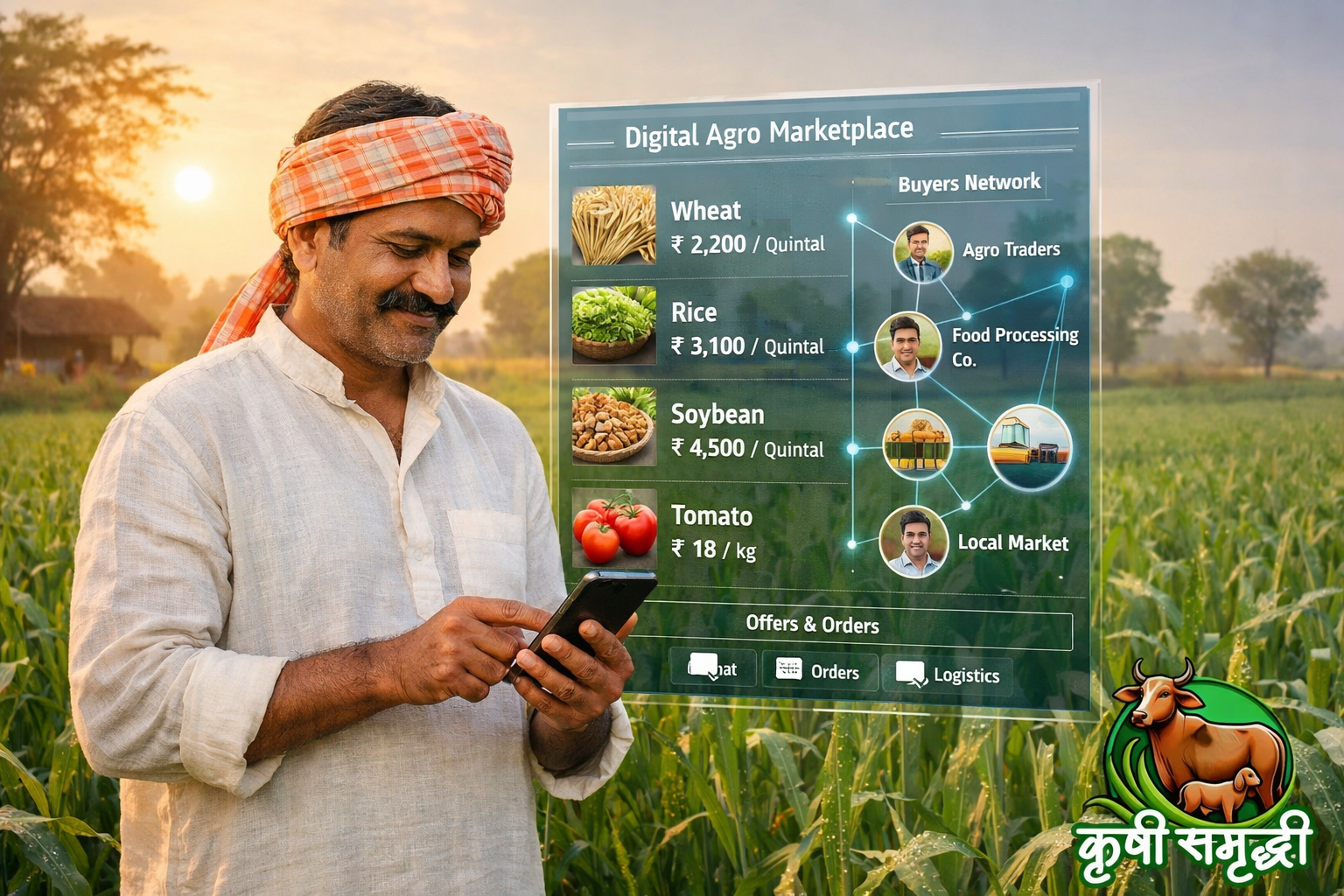
An agriculture marketplace connects farmers, buyers, traders, and agri-businesses on a single platform to buy and sell agricultural goods. With digital tools and mobile technology, these platforms are transforming traditional farming trade into a transparent, efficient, and profitable system. Platforms like Krushi Samruddhi are leading this digital revolution by empowering farmers and simplifying agricultural commerce.
What is an Agriculture Marketplace?
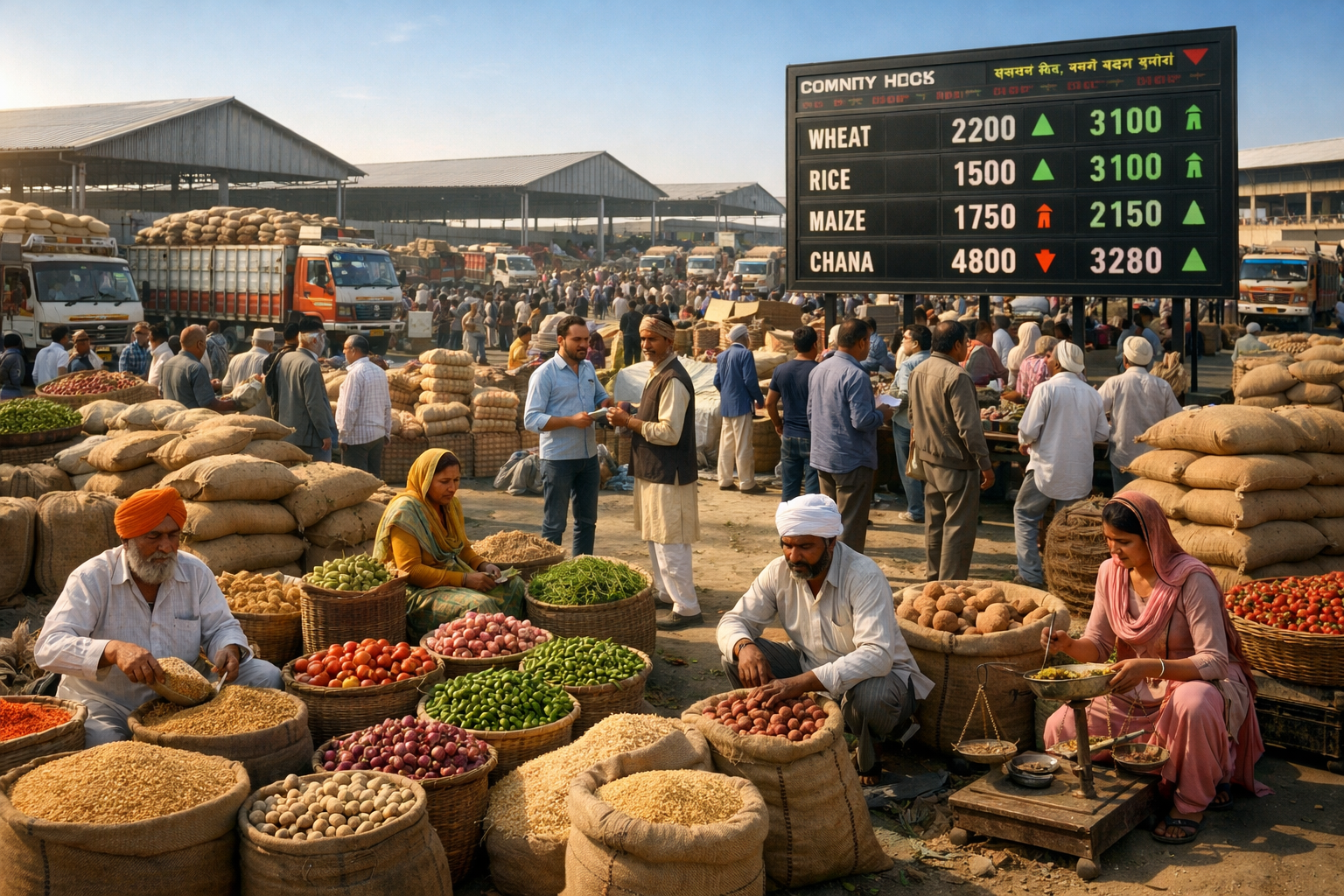
An agriculture marketplace is a structured system where agricultural products such as crops, fruits, vegetables, seeds, fertilizers, livestock, and farm equipment are traded. Traditionally, this took place in physical mandis. Today, online agriculture marketplaces provide the same function through digital platforms and mobile applications.
In India, agriculture marketplaces now serve as:
- Trading hubs for farm produce
- Distribution networks for farm inputs
- Information centers for prices and demand
- Financial gateways for digital payments
Evolution of Agriculture Marketplace in India
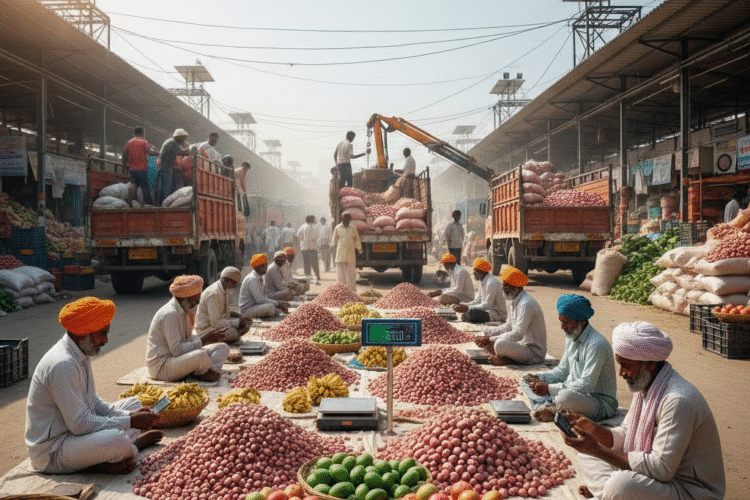
Traditional Mandis and Their Limitations
Indian farmers have long depended on APMC mandis to sell their crops. While these markets provide structure, they also involve multiple intermediaries. This often leads to:
- Low profit margins for farmers
- Delayed payments
- Limited bargaining power
- Restricted access to wider markets
Rise of Digital Agricultural Marketplaces
With increasing internet penetration and smartphone usage in rural India, farmers are now shifting towards digital platforms. Government initiatives like eNAM and private platforms like Krushi Samruddhi have created a new model where farmers can directly connect with buyers without unnecessary barriers.
Digital agriculture marketplaces provide:
- State-wide and nationwide reach
- Real-time price visibility
- Digital documentation
- Secure transactions
How an Online Agriculture Marketplace Works
Farmer Registration
Farmers create profiles by entering basic information such as location, crops grown, and quantity available. Platforms like Krushi Samruddhi simplify registration using mobile numbers and regional language support.
Product Listing and Pricing
Farmers list their crops with images, quality grade, and expected price. Buyers can compare listings from different sellers and make informed decisions.
Buyer Search and Ordering
Buyers search by crop type, location, or price range. Advanced filters allow them to find suitable suppliers quickly.
Logistics and Payments
Once an order is placed, logistics partners handle transportation. Digital payments ensure secure and fast settlements.
Key Features of a Modern Agriculture Marketplace
Transparent Pricing
Live price updates prevent exploitation and promote fair trade.
Direct Farmer-to-Buyer Model
This removes middlemen and increases farmer income.
Wide Product Categories
Includes:
- Food grains
- Fruits and vegetables
- Seeds and fertilizers
- Farm machinery
- Livestock
Smart Search and Filters
Users can search by crop, state, or price for easy navigation.
Benefits of Agriculture Marketplace for Farmers
Better Income
Farmers get higher prices by selling directly.
Market Access
They can reach buyers beyond their district and state.
Reduced Dependency on Middlemen
More control over selling decisions and profits.
Benefits for Buyers and Traders
Quality Produce
Direct sourcing ensures freshness and quality.
Competitive Pricing
Multiple seller options lead to better pricing.
Reliable Supply Chain
Predictable availability improves business planning.
Role of Technology in Agriculture Marketplace India
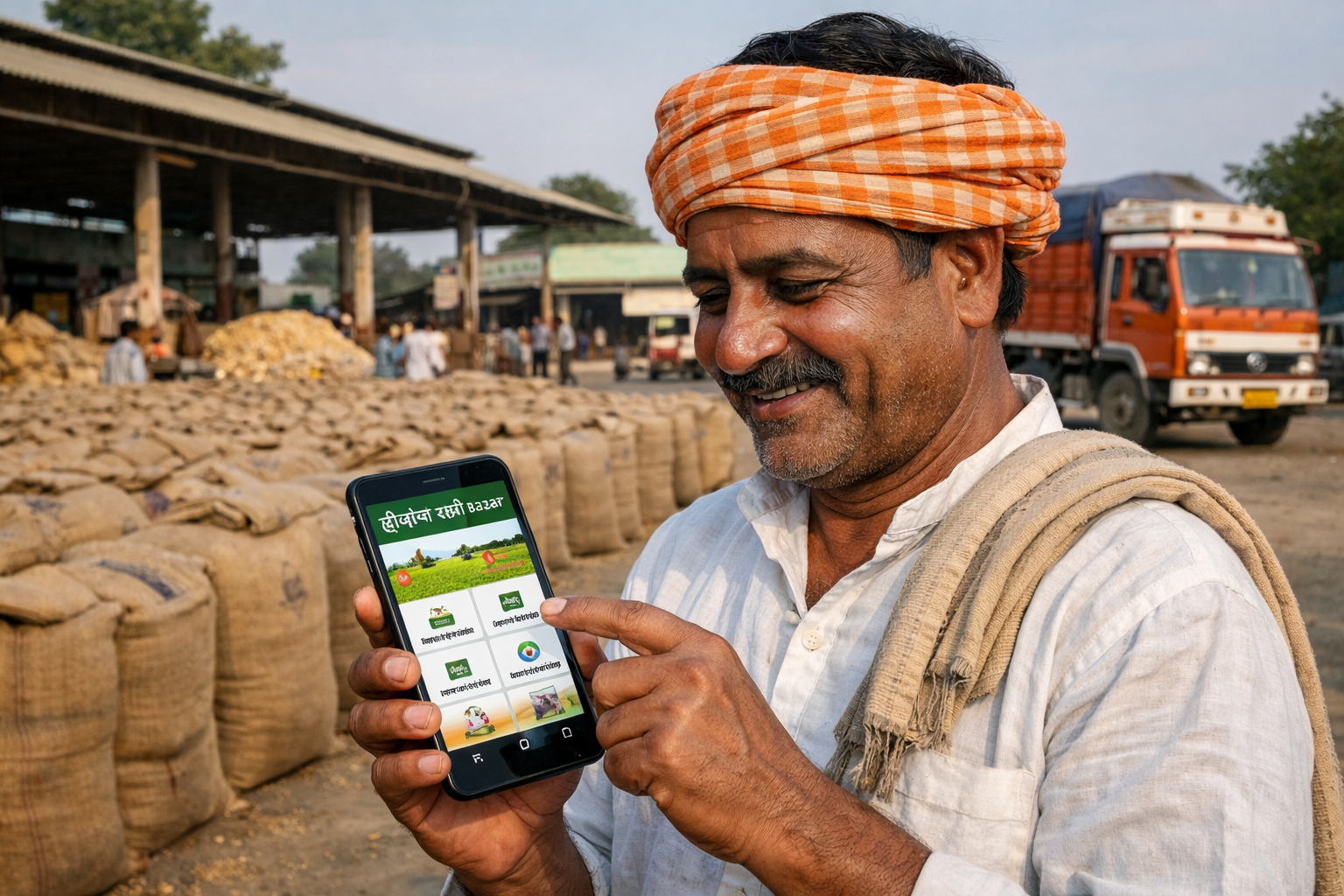
Mobile Apps and Cloud Platforms
Mobile platforms allow farmers to trade from their villages.
AI and Data Analytics
Used for:
- Price prediction
- Demand forecasting
- Crop advisory
Blockchain and Traceability
Ensures authenticity and quality assurance in supply chains.
Challenges in Indian Agriculture Marketplaces
Digital Literacy
Many farmers need training to use apps effectively.
Infrastructure Issues
Poor roads and storage facilities affect logistics.
Trust and Quality Control
Standard grading and certification are still evolving.
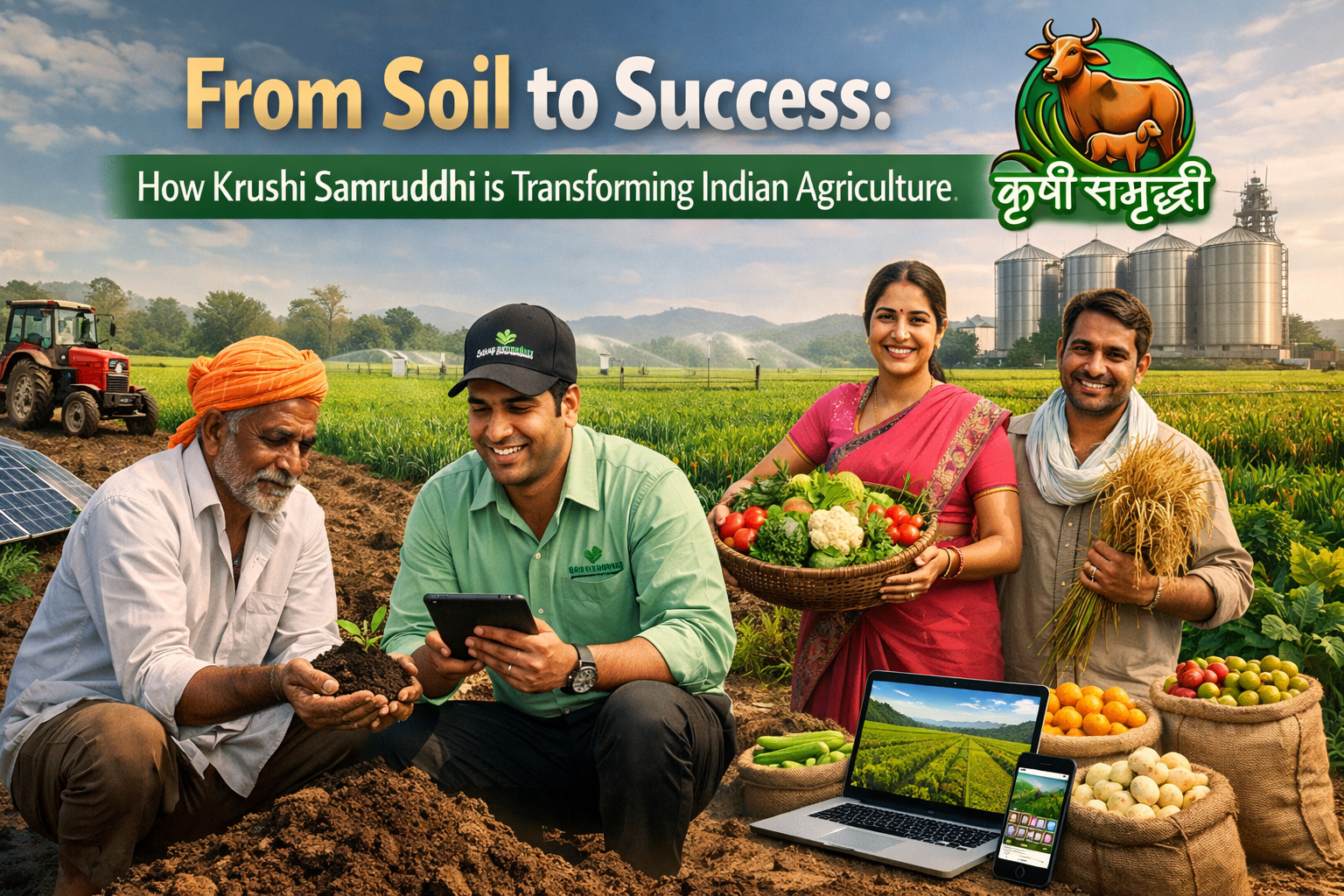
How Krushi Samruddhi is Transforming Agriculture Marketplace India
Krushi Samruddhi is designed to bridge the gap between farmers and buyers. It provides a user-friendly platform where:
- Farmers can list crops and equipment
- Buyers can source directly
- Payments are secure
- Market insights are accessible
By focusing on transparency, accessibility, and fair trade, Krushi Samruddhi strengthens India’s agriculture ecosystem and builds trust between stakeholders.
Future of Agriculture Marketplace in India
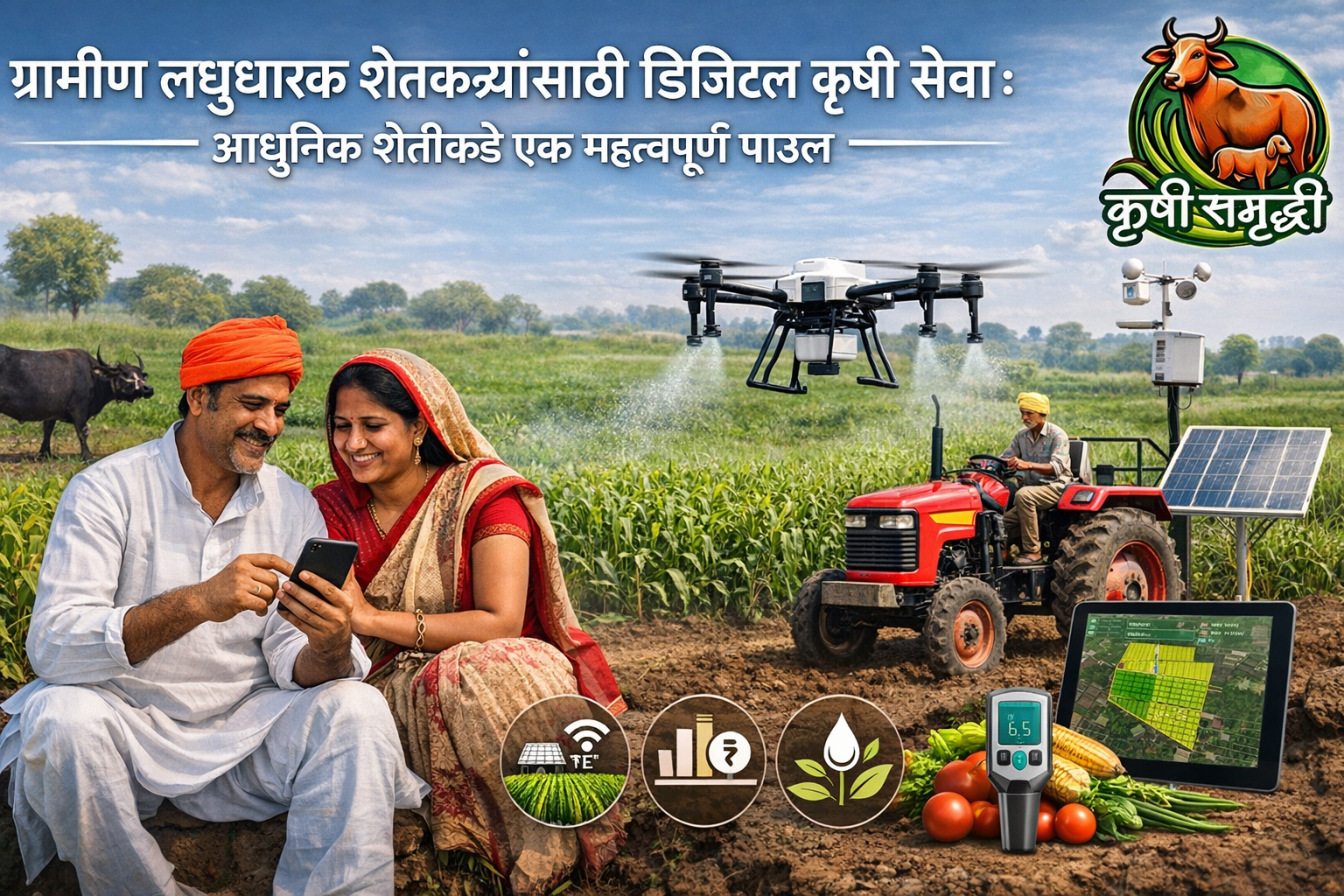
With AI, IoT, and digital payments becoming mainstream, agriculture marketplaces will evolve into complete farm management systems. They will offer:
- Crop insurance
- Financial services
- Precision farming tools
- Export market access
India’s agriculture marketplace is moving toward a connected, data-driven future.
Conclusion
The agriculture marketplace in India is reshaping how farm trade operates. Digital platforms like Krushi Samruddhi are creating new opportunities for farmers, traders, and agribusinesses by enabling transparency, efficiency, and growth. As adoption increases, agriculture marketplaces will play a vital role in strengthening India’s rural economy and ensuring sustainable agriculture.

Comments
1
[…] farmers often struggle with accessing the right markets at profitable prices. This is where Agriculture Market Placement in India becomes […]