Agriculture Marketplace in Maharashtra
The agriculture marketplace in Maharashtra plays a vital role in shaping the livelihoods of millions of farmers and supporting India’s food supply chain. As one of the largest agricultural producers in the country, Maharashtra has built a complex network of physical mandis, cooperatives, private buyers, and digital platforms that together form its agriculture marketplace. Over the last decade, this marketplace has undergone significant transformation driven by technology, policy reforms, and the need for fairer pricing.
Understanding the Agriculture Marketplace in Maharashtra
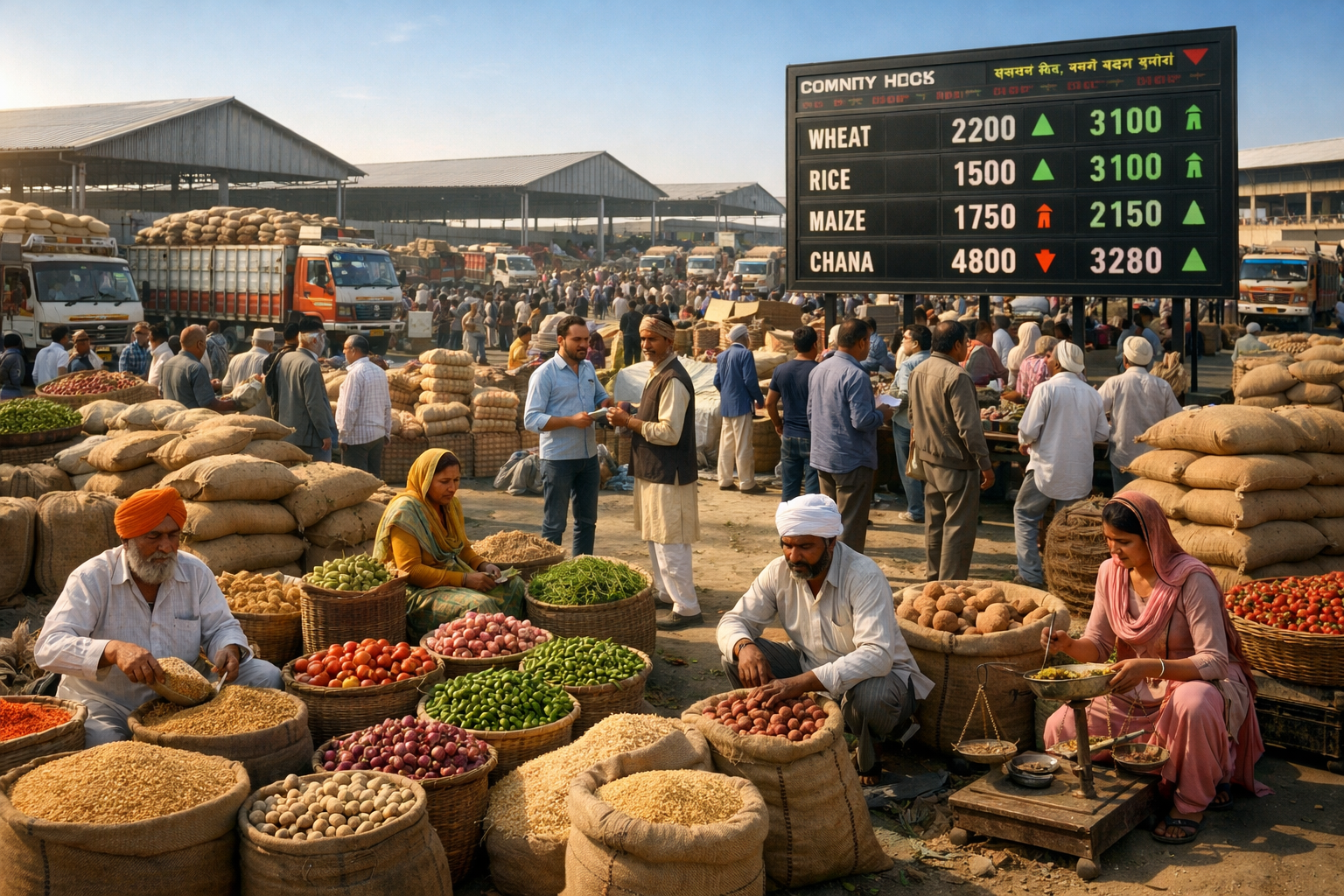
An agriculture marketplace is the system where farmers sell their produce to buyers such as wholesalers, retailers, processors, exporters, and institutional consumers. In Maharashtra, this marketplace traditionally revolved around Agricultural Produce Market Committees (APMCs), which regulate the buying and selling of crops like cotton, soybean, sugarcane, onion, wheat, and pulses.
Maharashtra is one of India’s leading producers of sugarcane, cotton, grapes, onions, and soybeans. The presence of diverse agro-climatic zones makes the state suitable for multiple crops, creating high trading volumes in mandis across districts such as Nashik, Pune, Ahmednagar, Nagpur, and Solapur.
Role of APMC Mandis
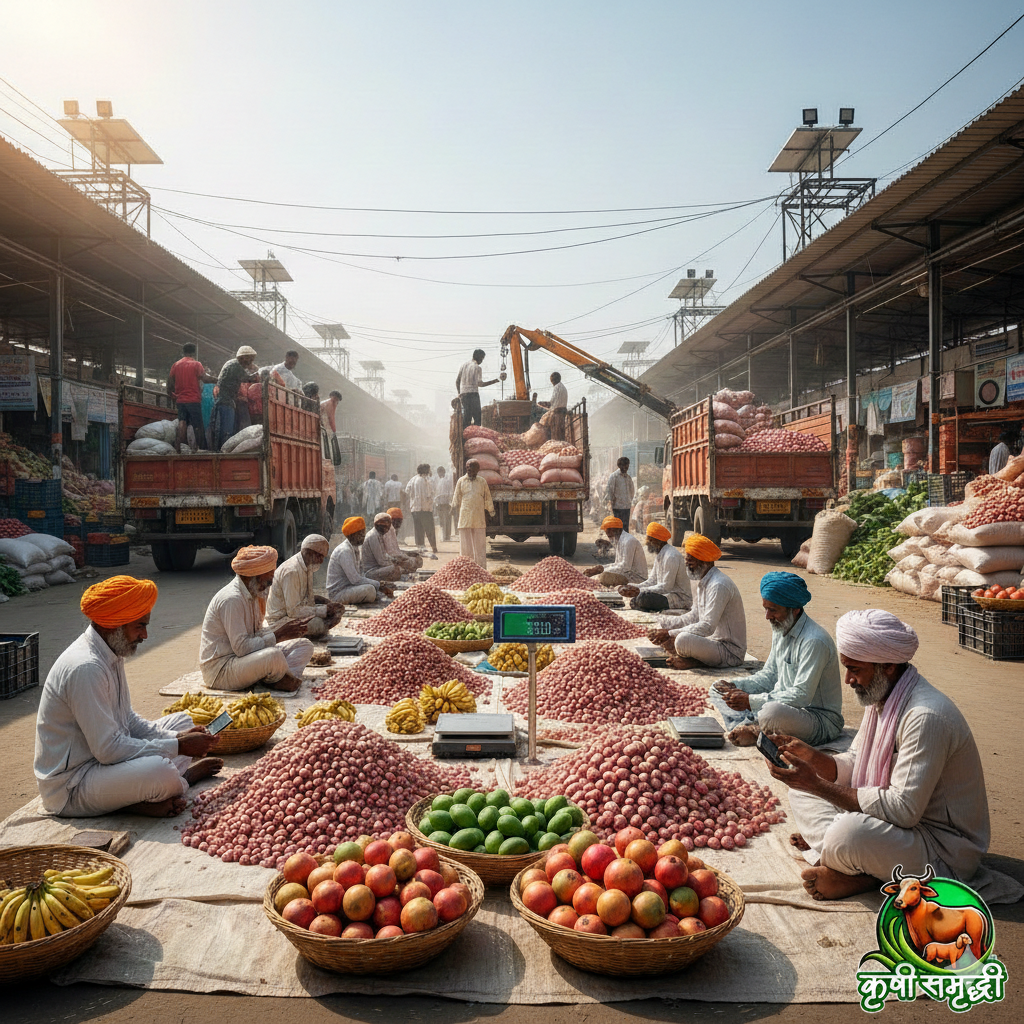
APMC mandis have historically been the backbone of the agriculture marketplace in Maharashtra. These regulated markets were designed to protect farmers from exploitation by middlemen and ensure transparent price discovery through auctions. Farmers bring their produce to mandis where licensed traders bid openly.
However, challenges emerged over time:
- High commission charges
- Limited competition
- Dependence on local traders
- Lack of price transparency
- Delayed payments
These issues often reduced farmers’ bargaining power and profitability, especially for small and marginal farmers.
Digital Transformation of Agriculture Marketplace in Maharashtra
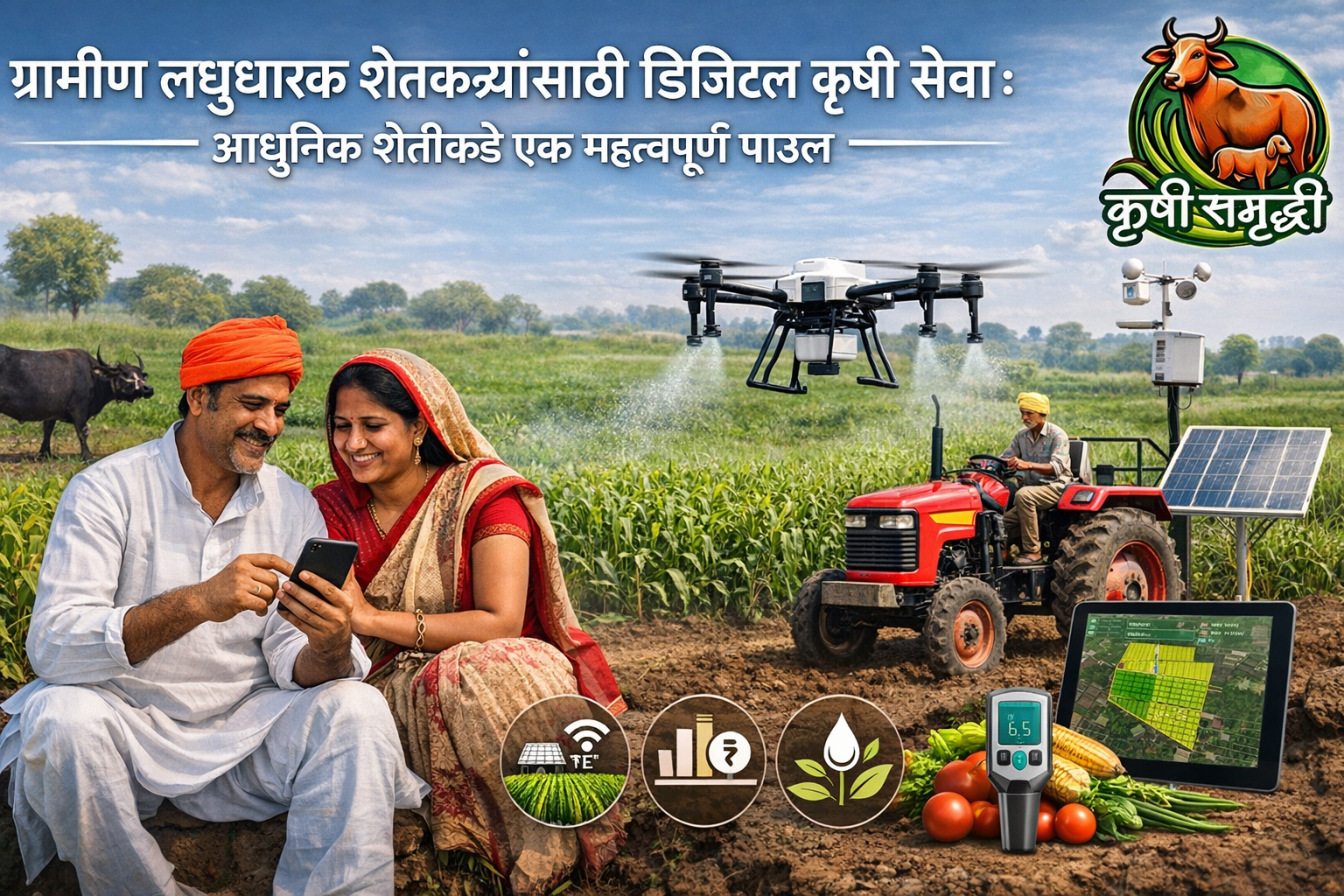
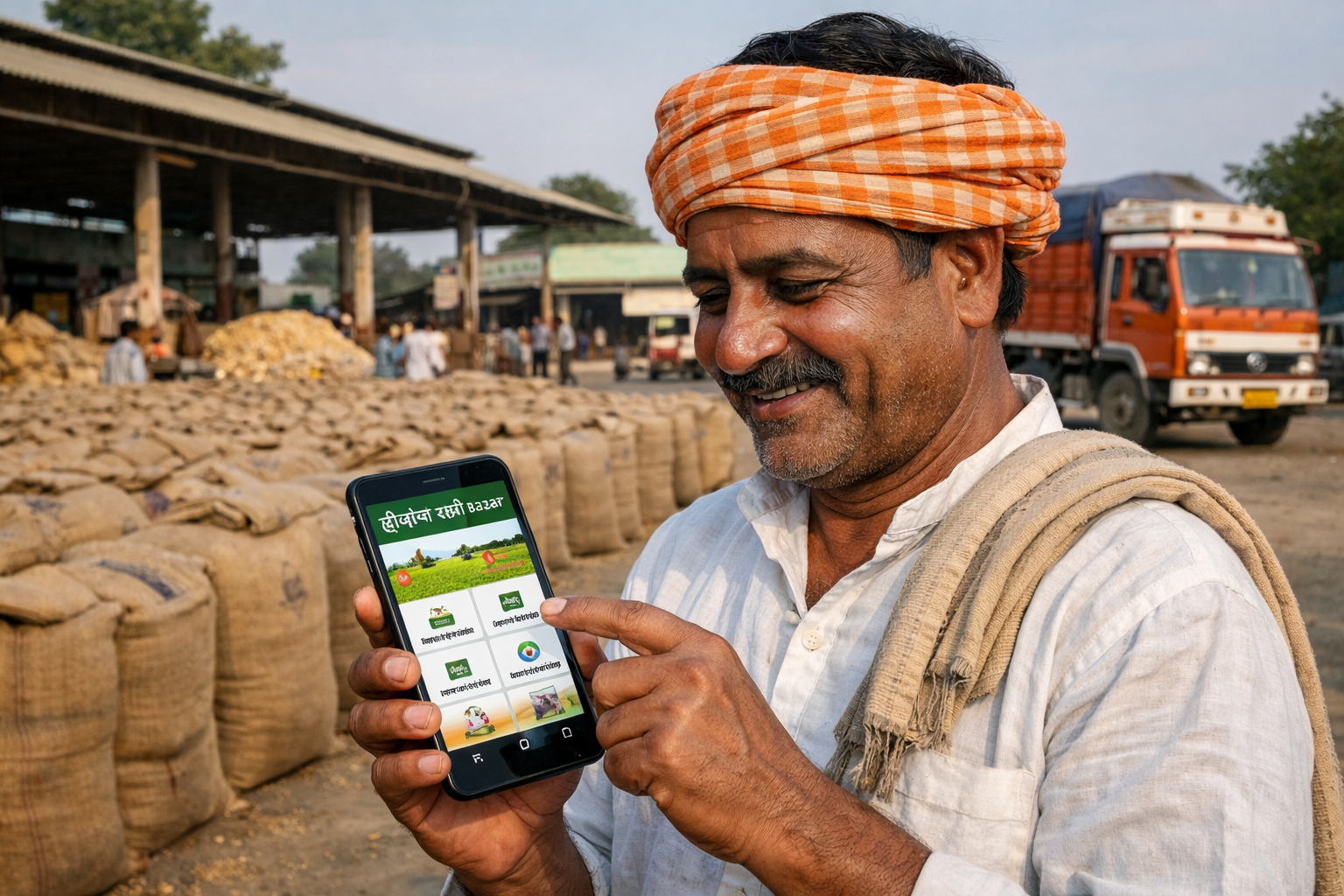
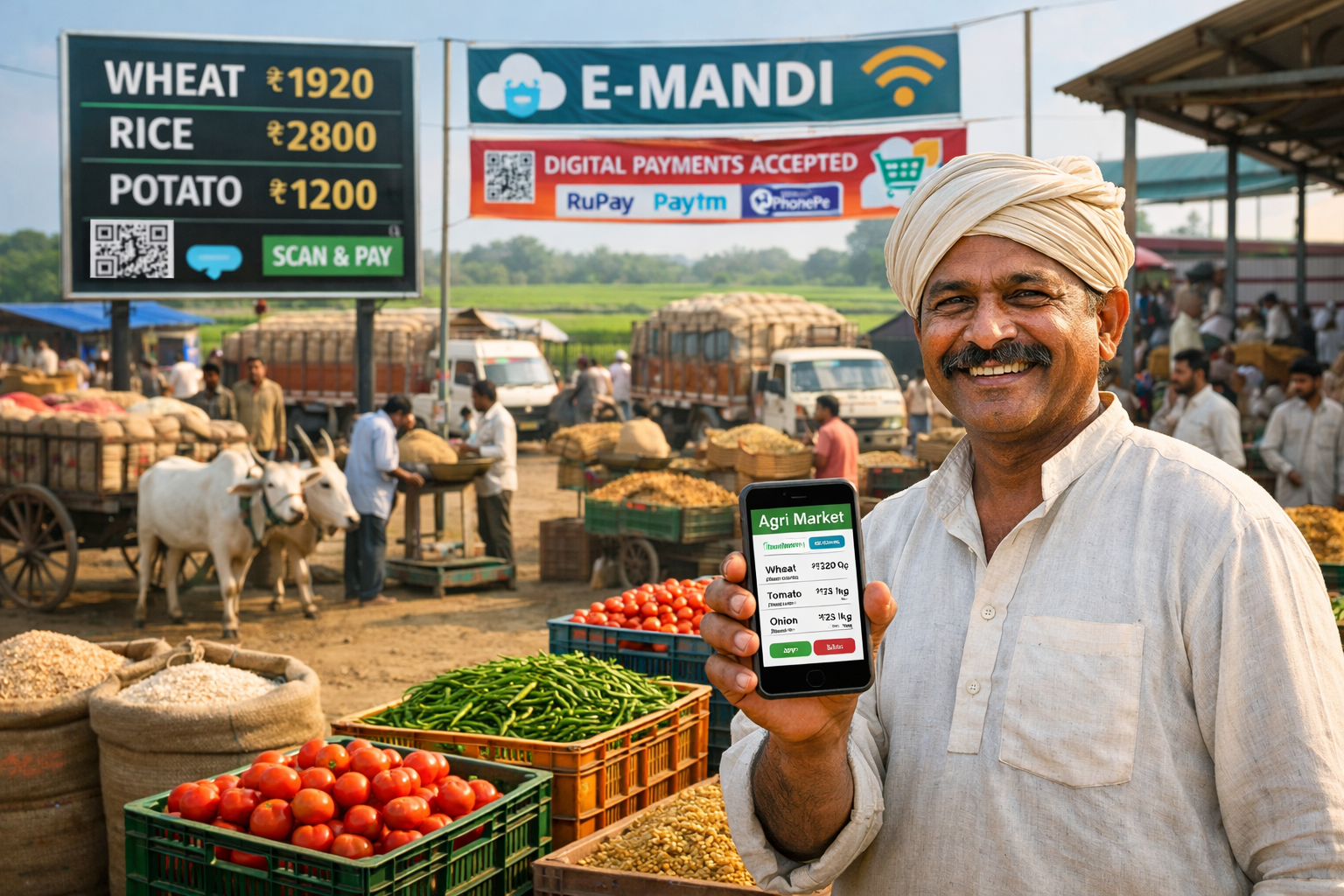
To overcome inefficiencies, Maharashtra has been at the forefront of digital adoption in agricultural trade. Online trading portals and e-market systems have enabled farmers to access a wider pool of buyers beyond local mandis. Digital platforms allow:
- Real-time price visibility
- Direct buyer-farmer connections
- Faster payments
- Reduced middlemen
- Better quality grading
With digital marketplaces, farmers can compare prices across districts and decide where to sell their produce. This increases competition and helps ensure fair pricing.
Government Reforms Supporting Market Access
The Maharashtra government has introduced reforms that allow:
- Direct marketing licenses
- Farmer Producer Organizations (FPOs)
- Private markets
- Contract farming
- Warehouse-based trading
These reforms have strengthened the agriculture marketplace by providing multiple selling options. Farmers are no longer restricted to a single mandi and can sell to processors, exporters, or organized retailers directly.
Importance of Farmer Producer Organizations (FPOs)
FPOs play a crucial role in Maharashtra’s agriculture marketplace. By aggregating produce from hundreds of farmers, FPOs increase volume and bargaining power. Buyers prefer dealing with organized groups rather than individual farmers, making FPOs a bridge between farmers and bulk purchasers.
Benefits of FPOs in marketplace operations:
- Collective price negotiation
- Lower transportation cost
- Better access to storage
- Easier access to credit
- Improved quality control
Maharashtra has thousands of registered FPOs focusing on crops such as grapes, pomegranate, banana, cotton, and pulses.
Logistics and Storage Infrastructure
A strong agriculture marketplace requires efficient logistics. Maharashtra has invested in:
- Cold storage facilities
- Warehouses
- Ripening chambers
- Pack houses
- Reefer transportation
These facilities reduce post-harvest losses and help farmers sell when prices are favorable instead of distress selling immediately after harvest.
Commodity-Wise Marketplace Structure
Different crops have different marketplace systems:
Sugarcane: Sold mainly to cooperative and private sugar mills under contract-based arrangements.
Cotton: Traded in mandis and also procured by textile mills and exporters.
Onions: Maharashtra dominates onion trade, supplying domestic and export markets.
Fruits: Grapes and pomegranates use export-oriented supply chains with grading and packaging.
This crop-specific structure makes Maharashtra’s agriculture marketplace diverse and dynamic.
Challenges in Agriculture Marketplace in Maharashtra
Despite improvements, several challenges remain:
- Price volatility
- Climate risks
- Limited rural connectivity
- Lack of farmer awareness about digital tools
- Small landholdings
Small farmers often struggle to meet quality standards or access premium buyers without support from FPOs or aggregators.
Future of Agriculture Marketplace in Maharashtra
The future of the agriculture marketplace in Maharashtra lies in:
- Wider adoption of e-trading
- Integration with logistics startups
- Blockchain-based traceability
- AI-driven price forecasting
- Expansion of FPO networks
By combining technology with infrastructure, Maharashtra can create a marketplace that is transparent, inclusive, and profitable for farmers.
Conclusion
The agriculture marketplace in Maharashtra is transitioning from a mandi-centric system to a multi-channel digital ecosystem. With government support, FPO participation, and technological innovation, farmers are gaining more control over where and how they sell their produce. Strengthening this marketplace will not only raise farm incomes but also ensure food security and stable supply chains for consumers.