
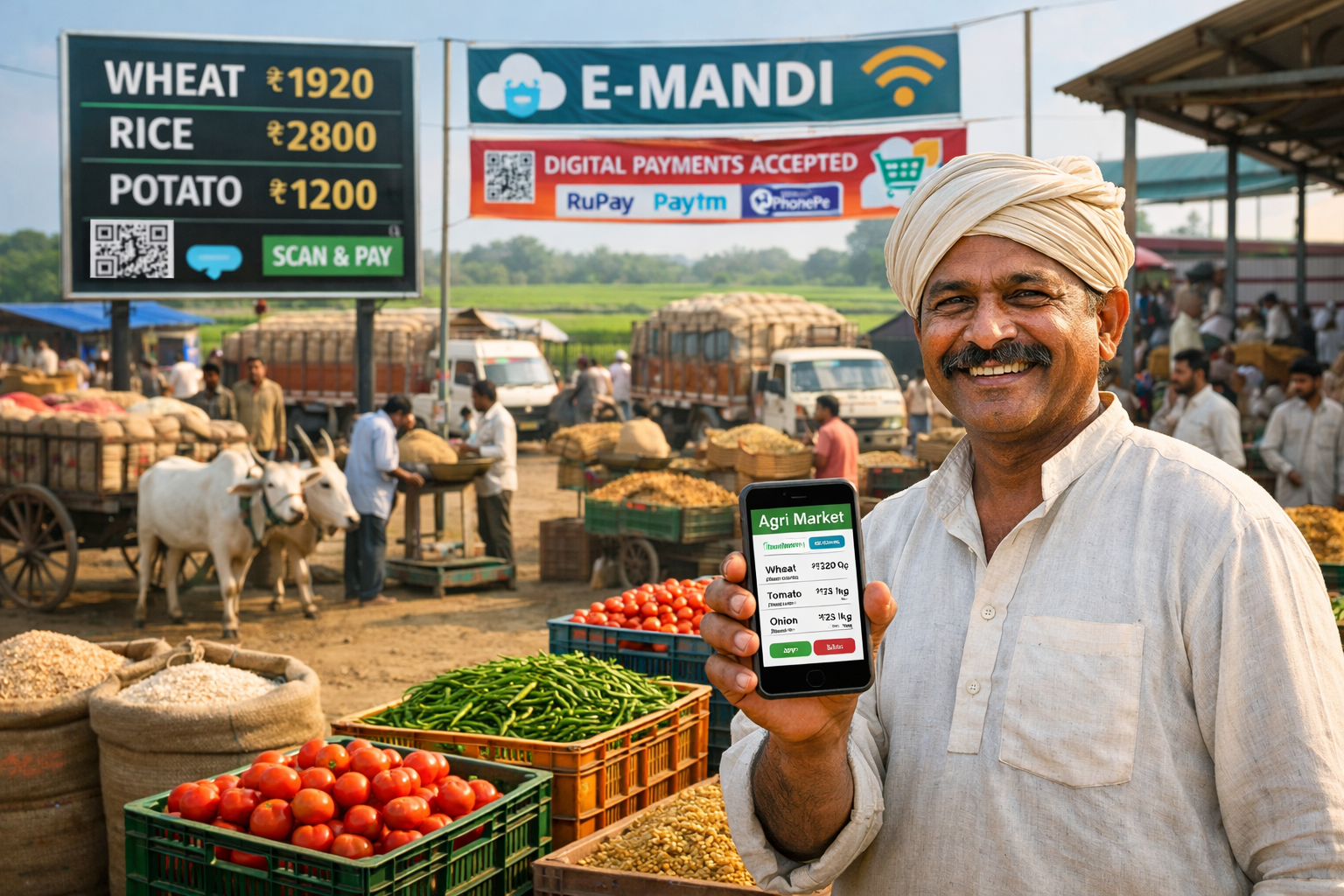
Agriculture Market Placement in India: Unlocking Market Opportunities with Practical Solutions
Introduction
Agriculture remains the backbone of the Indian economy, contributing nearly 20% of the GDP and engaging more than 50% of the workforce. But while India is a leading producer of crops like rice, wheat, and vegetables, farmers often struggle with accessing the right markets at profitable prices. This is where Agriculture Market Placement in India becomes crucial.
In this blog, we dive deep into the concept of agricultural market placement what it is, why it matters, how it works in India, its challenges and future trends to help farmers, agribusinesses, and stakeholders make informed decisions.
What is Agriculture Market Placement?
Agriculture Market Placement refers to the strategic positioning and connection of agricultural produce from farmers to buyers, markets, and consumers in a way that ensures:
- Transparent pricing
- Better demand-supply matching
- Reduced wastage
- Fair benefits for farmers
At its core, market placement focuses on linking farmers with the right platforms be it local mandis, digital marketplaces, processors, or exporters so that produce can reach the best possible buyers at fair prices.
Why Agriculture Market Placement Matters in India
India has millions of farmers, but most face a common problem limited access to profitable markets. The impact of effective market placement in agriculture includes:
1. Better Price Discovery
Traditional supply chains often mean farmers sell at lower prices. Effective placement enables:
- Transparent price mechanisms
- Reduced influence of middlemen
2. Reduced Post-Harvest Losses
Many crops perish due to poor storage and logistics. Linking produce to the right markets helps ensure:
- Faster product movement
- Improved cold storage integration
3. Increased Farmer Income
By connecting to high-demand markets including urban buyers, aggregators, and exporters farmers can earn more profit per unit.
4. Enhanced Market Efficiency
Efficient placement minimizes supply-demand gaps and strengthens the agricultural value chain.
Key Channels of Agriculture Market Placement in India
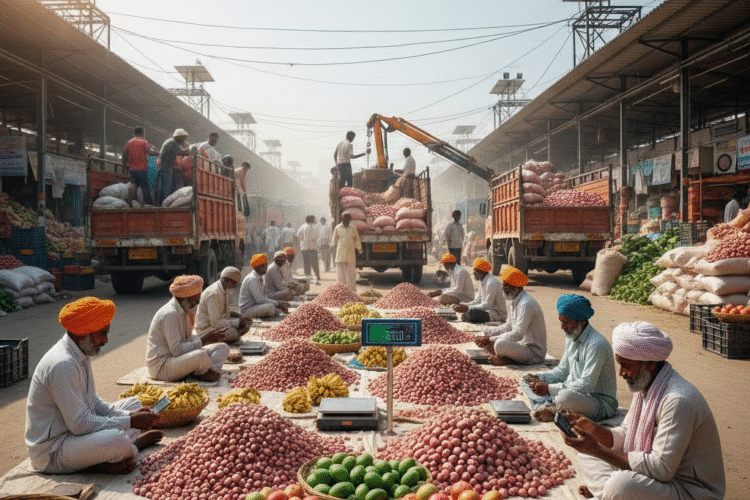
1. Agricultural Produce Market Committees (APMCs)
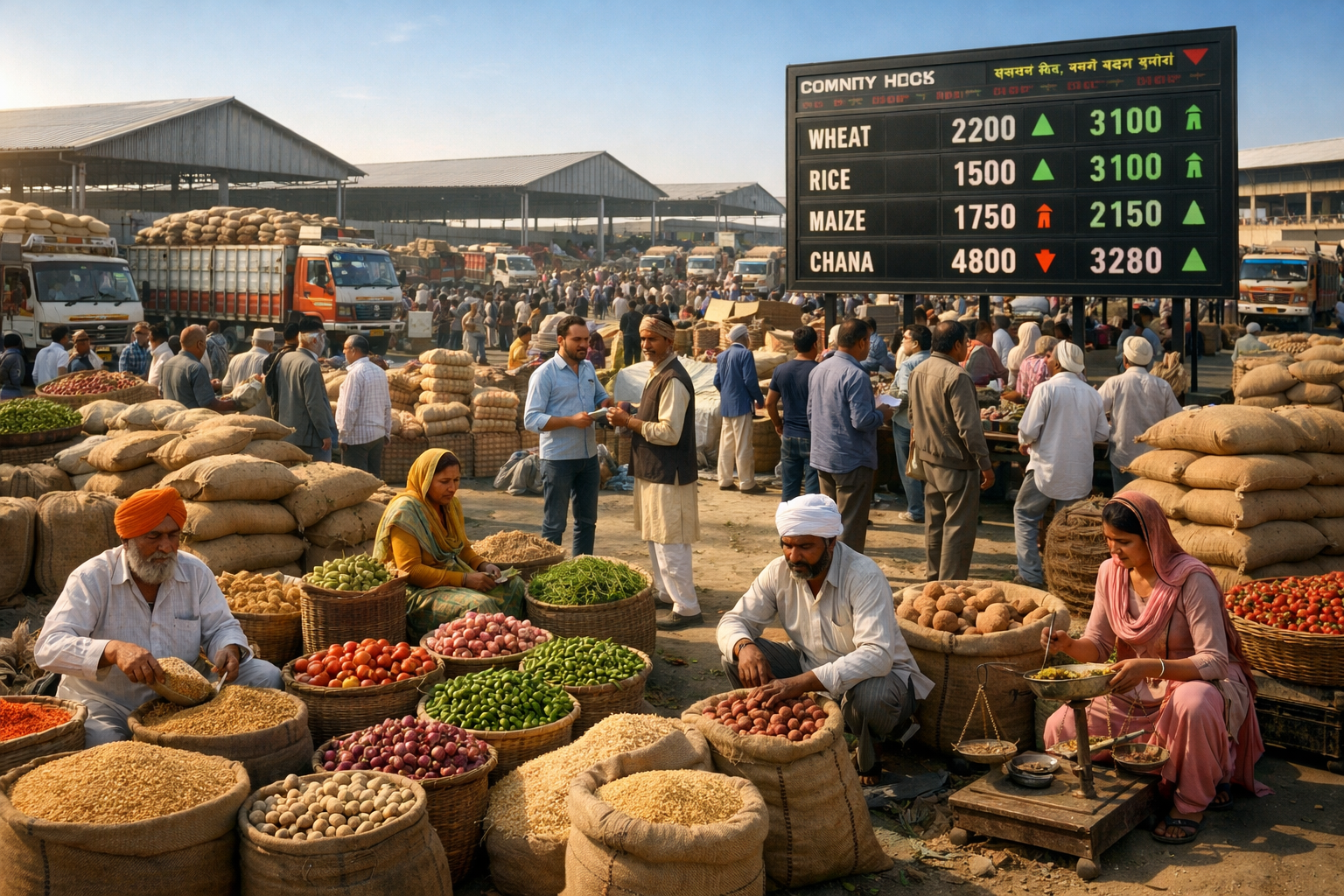
APMC mandis serve as traditional market hubs where farmers sell produce through auctions. They offer:
- Structured trading
- Regulatory oversight
- Transparent pricing
However, they also face limitations like high commission charges and limited reach.
2. Direct Farmer-to-Consumer Models
With digital platforms and farmer markets, farmers can now:
- Sell directly to consumers
- Participate in weekly farmer markets
- Use hyperlocal e-commerce platforms
This increases farmer margins and reduces dependence on intermediaries.
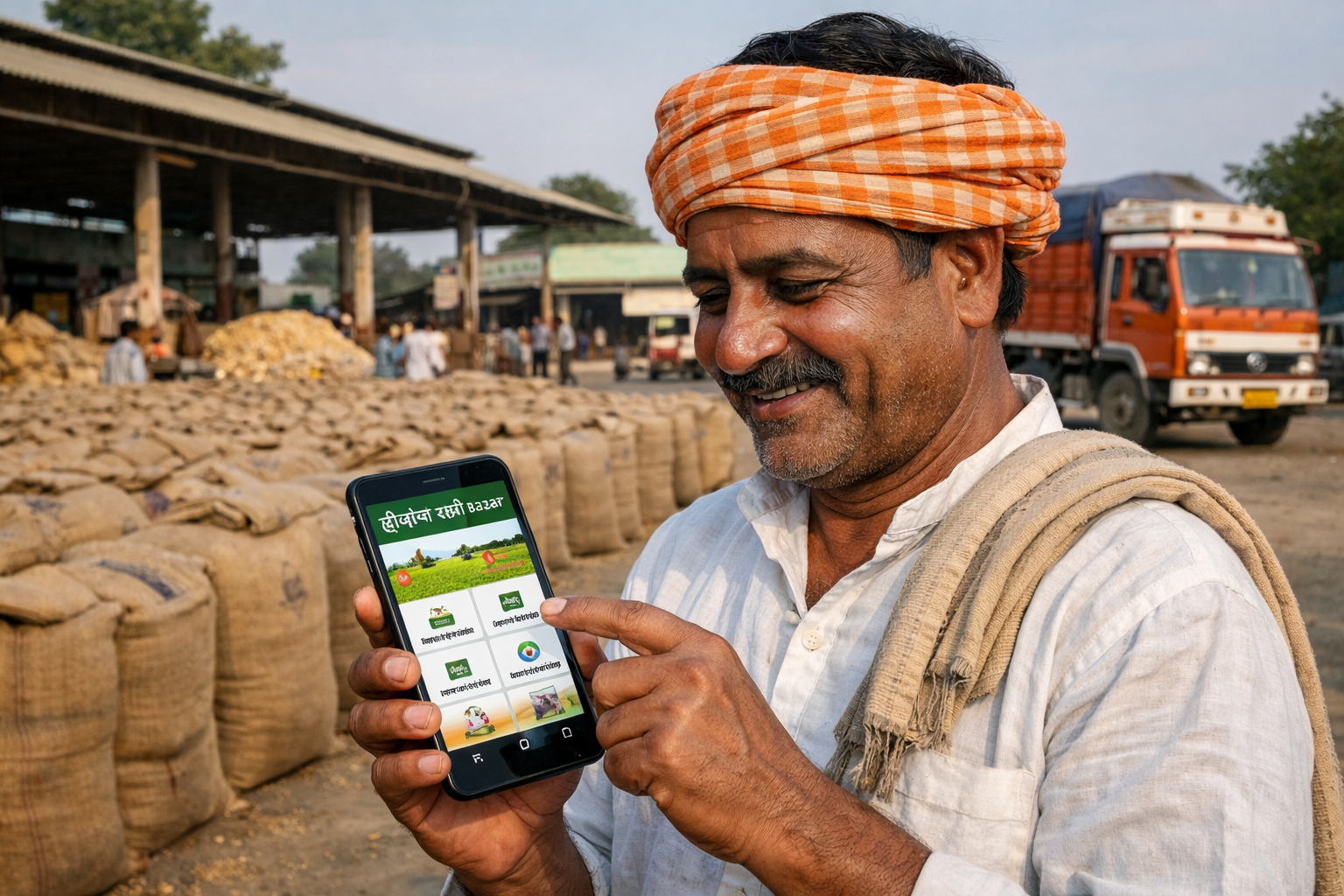
3. E-Marketplaces & AgriTech Platforms
Technology has transformed the placement landscape. Leading platforms allow:
- Online tendering
- Bid-based selling
- Secure payments
- Logistics support
These marketplaces benefit both farmers and buyers by offering wide access and pricing transparency.
4. Contract Farming & Buyer Linkages
In this model, farmers enter agreements with:
- Food processors
- Retail chains
- Exporters
Benefits include:
- Guaranteed buyers
- Pre-set prices
- Reduced market risk
This model is rapidly gaining momentum in India.
Government Initiatives Supporting Market Placement
The Indian government has launched key reforms and schemes to strengthen agricultural marketing:
1. eNAM (National Agriculture Market)
A digital platform connecting over 1,000 mandis across India, enabling:
- Transparent bidding
- Online trading
- Single license for all mandis
This significantly expands access for farmers.
2. Unified Market Fee Reforms
Reforms promote:
- Reduced mandi fees
- More private players in agricultural markets
- Ease of doing business
3. Infrastructure Funding
Government funds support:
- Cold storage units
- Logistics parks
- Processing centers
- Rural market access roads
These strengthen placement efficiency and reduce losses.
Challenges in Agricultural Market Placement
Despite improvements, several barriers still exist:
1. Limited Technology Adoption
Small and marginal farmers often lack access to digital tools and platforms.
2. Infrastructure Gaps
Insufficient cold storage, transportation, and logistics networks cause wastage and delays.
3. Price Volatility
Unpredictable agricultural pricing affects planning for farmers.
4. Awareness & Training Deficit
Many farmers are unaware of market options, auction systems, and digital platforms.
Addressing these challenges is key to strengthening agriculture economics in India.
How Farmers Can Enhance Market Placement
Here are practical strategies farmers and cooperatives can adopt:
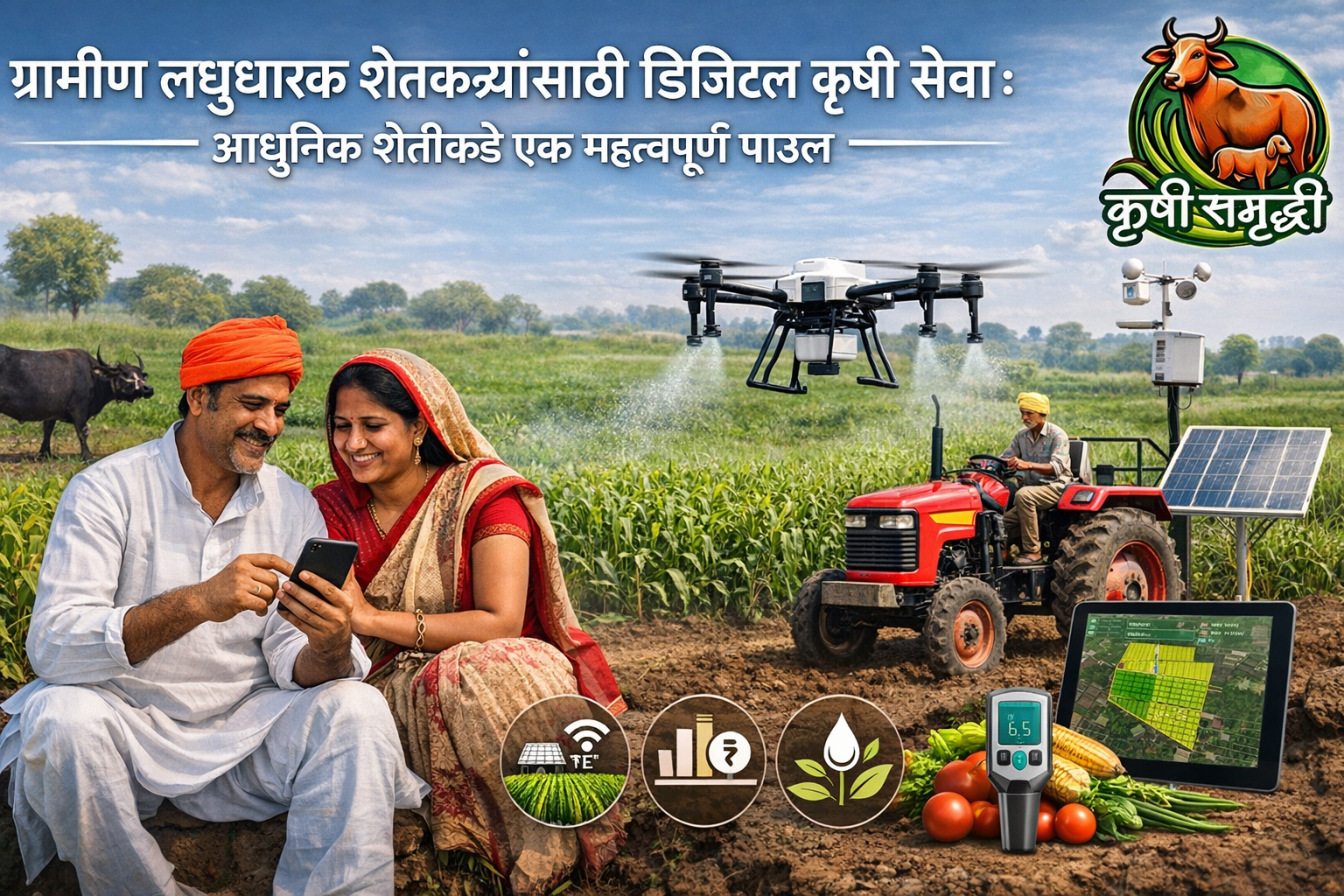
1. Join DIGITAL Marketplaces
Platforms like eNAM or private e-marketplaces help farmers get better visibility.
2. Form Farmer Producer Organizations (FPOs)
FPOs improve negotiating power and bulk selling potential.
3. Use Farmer Services
Services like price alerts, weather forecasting, and logistics coordination improve decision-making.
4. Embrace Grading & Packaging
Quality grading attracts better market placement and pricing.
Future Trends in Agriculture Market Placement
Here’s what lies ahead for India’s agricultural markets:
- Growing Role of AI & Predictive Analytics
Helps forecast demand, prices and optimize placement decisions. - Blockchain for Transparent Tracking
Ensures traceability and trust across supply chains. - Hyperlocal Market Networks
Linking rural producers directly with urban demand cycles. - Green & Sustainable Logistics
Cold chain and eco-friendly transport improvements.
Conclusion
Agriculture market placement isn’t just about selling produce it’s about strategically connecting farmers with the right buyers, maximizing income, reducing waste, and building a resilient agricultural economy. As India embraces reforms, technology, and new market linkages, the future looks promising provided farmers and stakeholders work hand-in-hand.
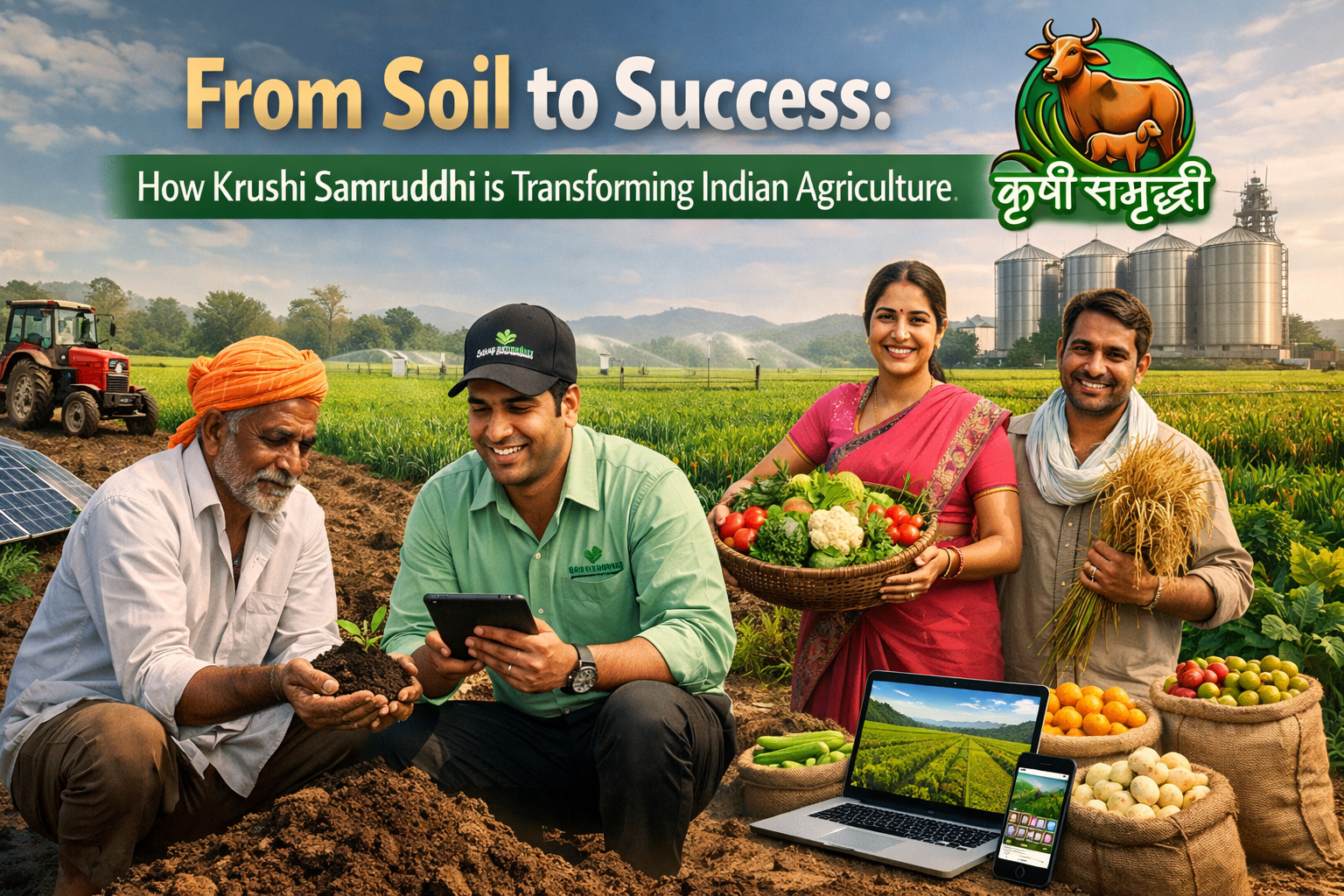
At Krushi Samruddhi, we believe empowered placement equals a thriving agricultural ecosystem.

Comments
1
[…] agriculture marketplace India is evolving from a fragmented mandi-based system into a connected digital ecosystem. With reforms, […]