Agriculture Market Placement: How Indian Farmers Can Sell Smarter in 2026
For generations, Indian farmers have faced one persistent challenge — not the lack of produce, but the lack of a fair market to sell it. Whether you grow wheat in Punjab, vegetables in Maharashtra, or spices in Kerala, getting your crop at the best price depends entirely on how well you understand agriculture market placement.
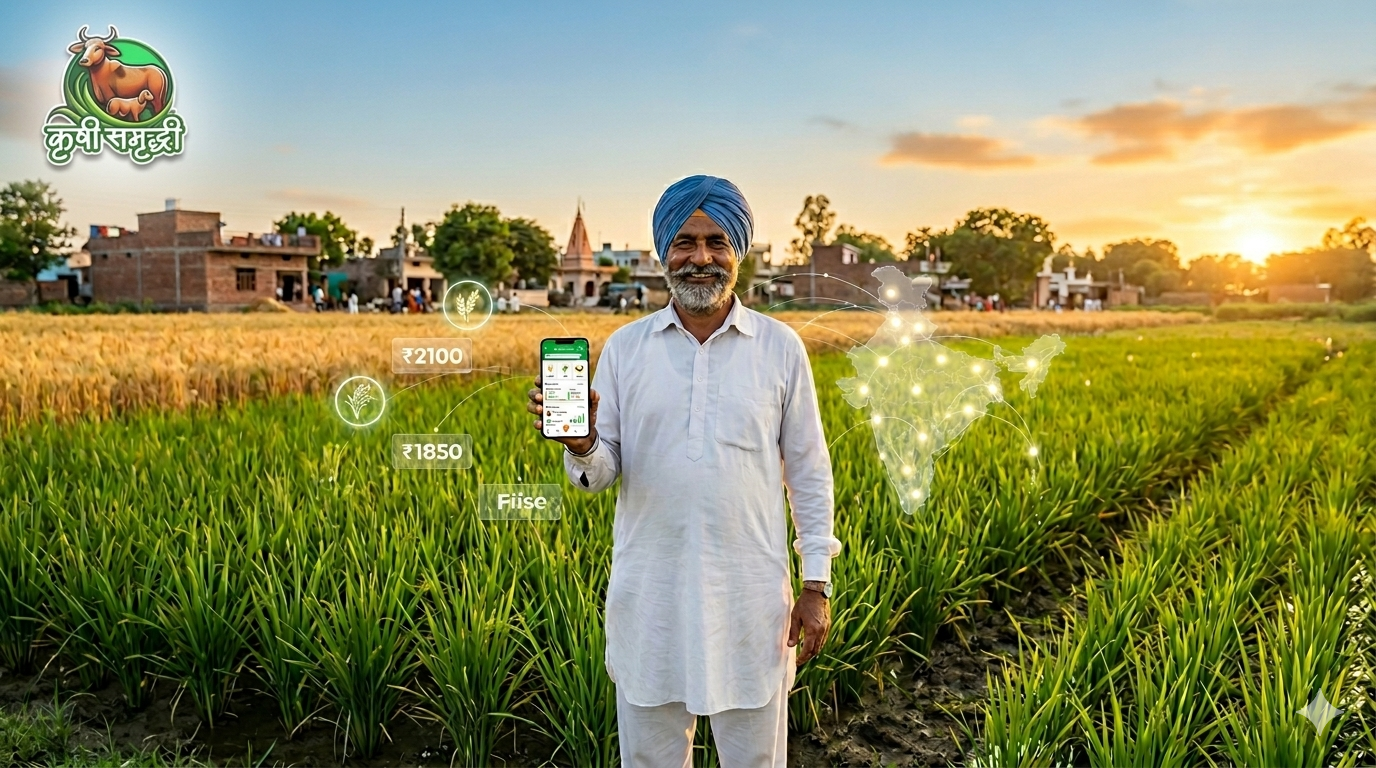
In 2026, that challenge is rapidly changing. Digital agricultural marketplaces, real-time pricing data, and platforms like Krushi Samruddhi are rewriting the rules of farm-to-market commerce across India. This guide explains what agri market placement means, why it matters, and how modern farmers can use it to earn more and stress less.
What Is Agriculture Market Placement?
Understanding the basics before going digital.
Agriculture market placement refers to the strategic process of positioning and selling agricultural produce — crops, livestock, equipment, or farm services — into the right market, at the right time, to the right buyer. It is the backbone of every successful farming business.
In traditional farming, market placement was limited to local mandis (APMC markets), commission agents (arthiyas), and middlemen who often took a significant cut of the farmer’s earnings. This left the actual producer — the farmer — with a fraction of the final consumer price.
But agri market positioning today goes far beyond the local market. It includes:
- Online agricultural marketplaces where farmers list produce directly
- Direct-to-buyer crop marketing eliminating multiple intermediaries
- Farm produce listing platforms for real-time visibility
- Digital livestock and equipment trading portals
- B2B agri supply chain channels connecting growers to processors
💡 Key Insight: Studies show that farmers who use digital platforms for agricultural market placement earn 15–30% higher prices compared to those relying solely on traditional mandi systems.
Why Agriculture Market Placement Matters More Than Ever
58%
OF INDIA’S WORKFORCE IN AGRICULTURE
₹18L Cr
INDIA’S AGRICULTURE SECTOR GDP
40%
POST-HARVEST LOSSES IN INDIA ANNUALLY
India’s agricultural sector is the backbone of its economy, yet a huge portion of farm income is lost to poor market access, price volatility, and exploitation by intermediaries. Effective crop market distribution and smart selling decisions can directly reduce these losses.
Consider this: a farmer in Nashik selling tomatoes to a local agent may get ₹3–5 per kg. The same tomatoes listed on a digital agricultural sales platform can fetch ₹8–12 per kg when connected to retail buyers, restaurant chains, or exporters. The difference? Strategic farm produce placement.
Types of Agricultural Market Channels in India
Knowing your channel is half the battle won.
Before choosing where to sell, farmers must understand the different channels available for agricultural commodity placement:
1. APMC Mandis (Traditional Route)
The Agricultural Produce Market Committee (APMC) system has been the traditional gateway for crop sales. While regulated, it often involves multiple intermediaries and delayed payments. For bulk commodity placement, mandis still play a role, but margins are tight.
2. e-NAM (Electronic National Agricultural Market)
Launched by the Government of India, e-NAM is a pan-India online trading portal that networks existing APMC mandis. It improves farm produce market access and enables better price discovery through transparent online bidding.
3. Private Online Agricultural Marketplaces
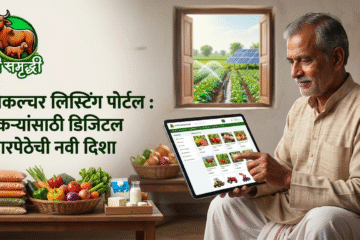
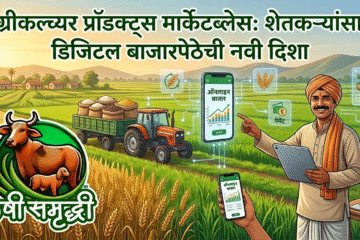
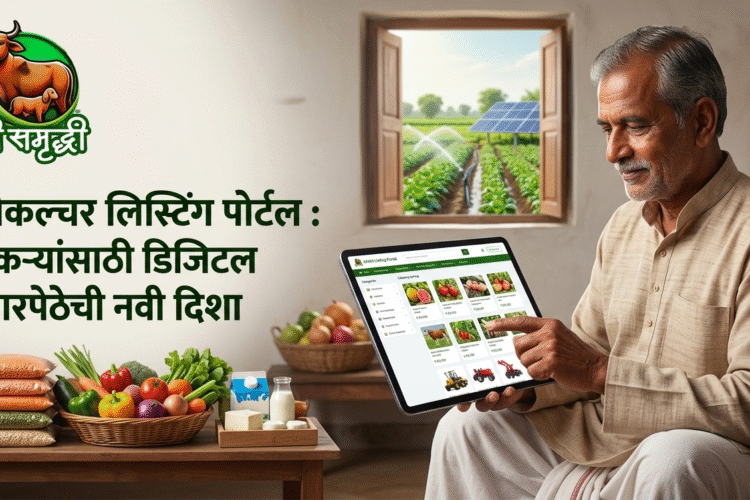
Platforms like Krushi Samruddhi represent the new wave of agri product online placement. Farmers can list crops, cattle, farm equipment, and rural services directly — reaching thousands of buyers without leaving their village.
4. Direct Institutional Sales
Selling directly to food processing units, supermarket chains, or export houses is another powerful agricultural market strategy. Though this requires volume and quality consistency, the price advantage is significant.
5. FPO-Based Collective Marketing
Farmer Producer Organizations (FPOs) allow small farmers to pool produce and negotiate better prices — essentially a collective approach to farm-to-market placement that levels the playing field against large traders.
How Krushi Samruddhi Revolutionizes Agriculture Market Placement
Krushi Samruddhi — meaning “agricultural prosperity” — is India’s emerging digital platform purpose-built for agricultural marketplace needs. Whether you are a farmer, trader, equipment dealer, or service provider in the rural sector, Krushi Samruddhi offers a simple, secure, and effective environment for all your agricultural market placement activities.
What Farmers Can Do
- Post ads for crops, cattle & produce
- List farm equipment for sale or rent
- Reach buyers across India
- Get visibility with Featured Ads
- Connect with agri service providers
What Buyers Get
- Direct access to farm-fresh produce
- Transparent pricing from growers
- Verified listings with seller details
- Wide category options (crops, cattle, tools)
- Competitive wholesale pricing
With over 27,000+ active listings and 270+ new ads added daily, Krushi Samruddhi is building India’s most active rural trading ecosystem. This kind of active agri product marketplace visibility is exactly what India’s 100 million+ small and marginal farmers need.
Key Strategies for Better Agriculture Market Placement
Practical tips every farmer can use starting today.
Success in agricultural market placement is not just about being listed online — it’s about being found, trusted, and chosen. Here are proven strategies:
1. Time Your Harvest for Market Demand
Monitor commodity price trends before harvesting. Crops sold during peak arrival periods get lower prices. Stagger your sales or use cold storage to sell when market demand is high and supply is low — this is smart crop timing and market entry strategy.
2. Grade and Sort Your Produce
Buyers pay premium prices for graded produce. Sorting tomatoes by size or separating Grade A mangoes from Grade B dramatically improves your farm produce placement value. Even a basic sorting process can increase returns by 20–40%.
3. Use High-Quality Photos and Listings
On platforms like Krushi Samruddhi, listings with clear photos and detailed descriptions receive significantly more inquiries. Think of your listing as your digital storefront — your first impression in the online agri marketplace.
4. Leverage Featured Ad Placements
Premium placement options like Featured Ads and Bumper Ads on Krushi Samruddhi guarantee your produce or equipment gets top-of-page visibility. This is especially critical during harvest season when competition for buyer attention peaks.
5. Build a Reputation with Repeat Buyers
Consistent quality builds trust, and trust builds loyalty. Buyers who receive good produce once will return season after season. Repeat buyers reduce your market placement cost significantly over time.
6. Diversify Across Multiple Channels
Don’t depend on a single mandi or a single buyer. The best agricultural market diversification strategy spreads your sales across local mandis, online platforms, FPOs, and direct institutional buyers to minimize price risk.
The Digital Future of Farm Produce Market Access in India
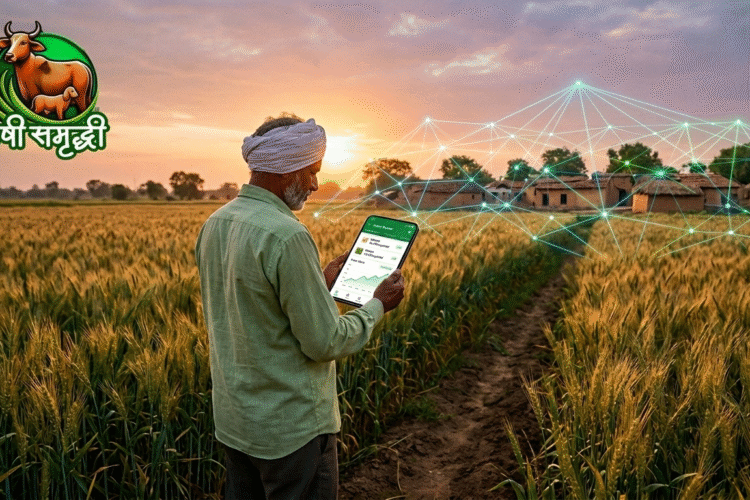
India’s agricultural ecosystem is undergoing a historic transformation. The combination of smartphone penetration in rural areas, government digital initiatives, and platforms like Krushi Samruddhi is creating a new infrastructure for digital agri market access that simply didn’t exist a decade ago.
Key trends shaping the future of agricultural product placement include:
- AI-powered price discovery tools helping farmers understand real-time mandi rates
- WhatsApp and mobile-first trading making it easier for rural farmers to list and sell
- Agri-fintech integration offering instant payments and crop loans tied to sales records
- Traceability technology enabling premium pricing for sustainably-grown produce
- Cold chain expansion reducing post-harvest losses and enabling flexible crop market timing
For Indian farmers who embrace these tools, the next decade offers a genuine opportunity to double farm income — which aligns with India’s national Pradhan Mantri Kisan Samman Nidhi goals for agricultural prosperity.
Common Mistakes Farmers Make in Agricultural Market Placement
Understanding what to avoid is just as important as knowing what to do. Here are the most frequent mistakes in farm produce placement:
- Selling everything at harvest time — This floods the market and depresses prices. Stagger sales where possible.
- Relying on a single middleman — Dependency on one agent gives them pricing power over you.
- Ignoring post-harvest quality — Poor packaging and handling reduces the market value of even excellent produce.
- Not comparing prices across platforms — Different buyers and markets offer vastly different prices for the same crop.
- Delaying online listing adoption — Every season you wait is income left on the table.
Getting Started on Krushi Samruddhi Today
The simplest step you can take today toward better agriculture market placement is to register on Krushi Samruddhi and post your first listing. The platform is free to join, easy to use in Hindi, Marathi, and English, and connects you directly with an active buyer network across India.
Whether you want to sell a batch of seasonal vegetables, list your tractor for rent, or offer rural services — your product deserves to be seen by the right buyers at the right price. That’s the promise of smart agri marketplace placement, and it starts with one click.
Start Selling Smarter with Krushi Samruddhi
Join 27,000+ active farmers and traders on India’s growing digital agri marketplace. Post your first ad today — it’s free!