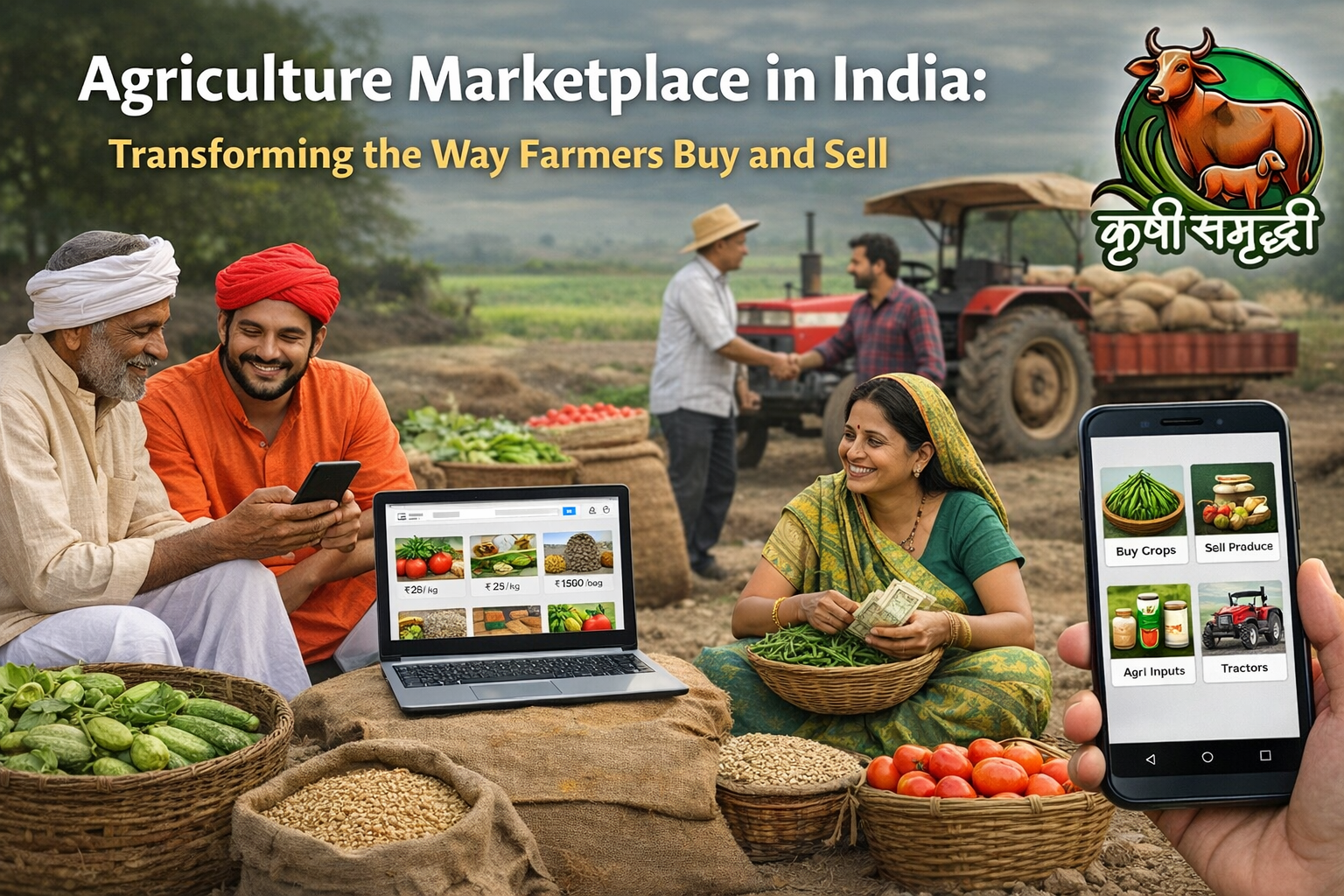
Agriculture Marketplace in India: Transforming the Way Farmers Buy and Sell
India is an agricultural nation at heart. With more than half of its population dependent on farming, agriculture plays a critical role in shaping the country’s economy and food security. Yet, for decades, Indian farmers have struggled with limited market access, price exploitation by middlemen, and lack of transparent trading systems.
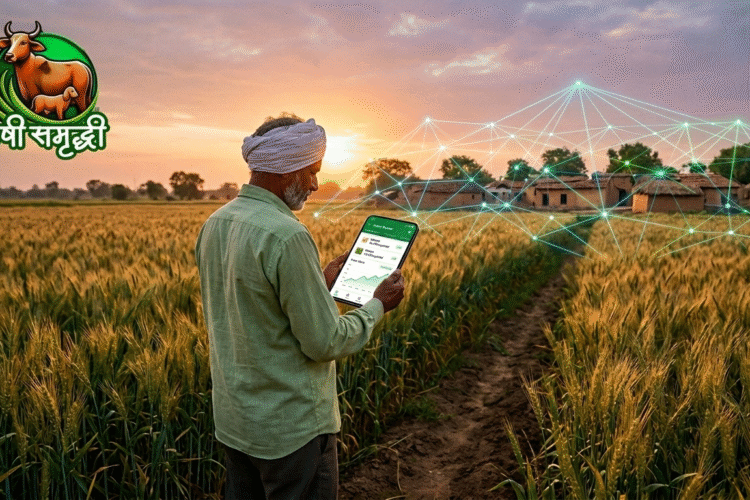
Today, this scenario is changing rapidly with the rise of the agriculture marketplace in India. Digital platforms, government-backed portals, and private agri-tech companies are building online ecosystems that connect farmers directly with buyers, suppliers, and service providers. These marketplaces are not just websites they are revolutionizing the way Indian agriculture functions.
This article explores what an agriculture marketplace is, how it works in India, its benefits, challenges, and the future of digital agricultural trade.
What Is an Agriculture Marketplace?
An agriculture marketplace is a platform where farmers can buy agricultural inputs (like seeds, fertilizers, pesticides, equipment) and sell their produce (grains, fruits, vegetables, spices, and more) directly to buyers such as wholesalers, retailers, exporters, and food processing companies.
In India, these marketplaces exist in two major forms:
- Physical mandis (APMC markets)
- Digital or online agriculture marketplaces
Modern agriculture marketplaces combine both by using technology to improve price discovery, transparency, and supply chain efficiency.
Evolution of Agriculture Marketplaces in India
Traditionally, farmers sold crops in local mandis controlled by commission agents. While these markets served their purpose, they often led to:
- Price manipulation
- Delayed payments
- Lack of competition
- Limited buyer access
- High transportation costs
Recognizing these issues, the Indian government introduced reforms such as eNAM (National Agriculture Market) to unify markets digitally. At the same time, private agri-tech startups launched platforms for:
- Direct farm-to-business trading
- Input purchase
- Advisory services
- Logistics and storage
This mix of public and private efforts has shaped today’s agriculture marketplace in India.
How an Online Agriculture Marketplace Works
A digital agriculture marketplace typically operates in the following way:
- Farmer Registration
Farmers create profiles using mobile numbers or Aadhaar-based verification. - Product Listing
Farmers list their crops with quantity, quality, and expected price. - Buyer Discovery
Buyers search for produce and place bids or orders. - Price Negotiation
Market-driven pricing ensures fair value instead of fixed mandi rates. - Logistics & Payment
Some platforms provide transport, warehousing, and digital payments. - Support Services
Weather updates, crop advisory, and financial services are often included.
This system removes unnecessary middle layers and builds direct farmer-to-market connections.
Importance of Agriculture Marketplace in India
1. Fair Price for Farmers
By connecting farmers directly with buyers, agriculture marketplaces reduce dependency on commission agents. Farmers gain better bargaining power and transparent price discovery.
2. Access to Wider Markets
A farmer in Maharashtra can sell produce to buyers in Delhi or Bengaluru without physical travel. This expands income opportunities and reduces regional price gaps.
3. Digital Inclusion of Rural India
Mobile-based platforms bring farmers into the digital economy. Even small and marginal farmers can participate using basic smartphones.
4. Reduction in Post-Harvest Loss
With faster selling and better logistics support, crop wastage is minimized.
5. Financial Empowerment
Digital records help farmers build credit history, enabling easier loan access.
Key Components of an Agriculture Marketplace Ecosystem
1. Input Marketplace
Farmers can purchase:
- Seeds
- Fertilizers
- Pesticides
- Farm tools
- Irrigation equipment
This ensures genuine products and competitive pricing.
2. Produce Trading
Farmers sell:
- Grains
- Pulses
- Fruits
- Vegetables
- Spices
- Oilseeds
Some platforms also support organic produce and contract farming.
3. Logistics & Warehousing
Cold storage, trucks, and packhouses help maintain quality.
4. Financial Services
Crop loans, insurance, and buy-now-pay-later options are integrated.
5. Advisory & Data Services
Weather forecasts, soil health reports, and crop planning tools improve productivity.
Role of Government in Agriculture Marketplace India
The Indian government has taken several steps to strengthen market linkages:
- eNAM (National Agriculture Market): Integrates thousands of mandis on one digital platform
- FPO Promotion: Encourages Farmer Producer Organizations
- Agri Infrastructure Fund: Supports warehouses and cold chains
- Digital India Initiative: Boosts rural internet connectivity
These policies aim to create a unified national market for agricultural produce.
Benefits for Different Stakeholders
For Farmers
- Higher income
- Reduced exploitation
- Market transparency
- Faster payments
- Better crop planning
For Buyers
- Direct sourcing
- Quality assurance
- Stable supply
- Competitive pricing
For Consumers
- Reduced food cost
- Better quality produce
- Traceability
For Economy
- Improved agricultural GDP
- Reduced food inflation
- Stronger rural economy
Challenges in Agriculture Marketplace India
Despite progress, several challenges remain:
1. Digital Literacy
Many farmers are still unfamiliar with smartphone usage and online trading.
2. Infrastructure Gaps
Poor roads, lack of storage, and limited cold chains affect delivery.
3. Trust Issues
Farmers fear online fraud and delayed payments.
4. Language Barriers
Most platforms operate in limited languages, excluding regional users.
5. Regulatory Restrictions
Some states still enforce mandi regulations that restrict free trade.
Solving these issues is key to scaling agriculture marketplaces across India.
Role of Agri-Tech Startups
Agri-tech startups are playing a major role in shaping the agriculture marketplace in India by offering:
- AI-based price prediction
- Blockchain-based traceability
- Satellite-based crop monitoring
- Multilingual apps
- Integrated farm-to-market solutions
They act as a bridge between farmers and technology, bringing innovation to rural India.
Future of Agriculture Marketplace in India
The future looks promising as technology continues to evolve. Expected trends include:
- AI-driven crop pricing
- Voice-based farmer apps
- Smart supply chains
- Organic and export-focused marketplaces
- Carbon credit trading for farmers
With increasing smartphone penetration and digital payment adoption, agriculture marketplaces will become the backbone of India’s farm economy.
Why Agriculture Marketplace Is Essential for Indian Farmers
Indian farmers face unpredictable weather, fluctuating prices, and rising input costs. A strong agriculture marketplace gives them:
- Market stability
- Income security
- Decision-making power
- Business identity
Instead of being just producers, farmers become entrepreneurs who understand demand, pricing, and quality standards.
Conclusion
The agriculture marketplace in India is no longer just an idea it is a growing reality. From remote villages to urban markets, digital platforms are connecting people, produce, and profits like never before. These marketplaces are creating transparency, fairness, and efficiency in a sector that feeds the nation.
As technology, policy, and awareness come together, agriculture marketplaces will shape the future of Indian farming. They empower farmers, support businesses, and ensure consumers receive quality food at fair prices.
India’s agricultural transformation is happening now and the agriculture marketplace is at the center of it.









Comments
1
[…] Krushi Samruddhi is built specially for Indian farmers and agriculture businesses. […]